Featured

Welcome to Northwest Isshinryu

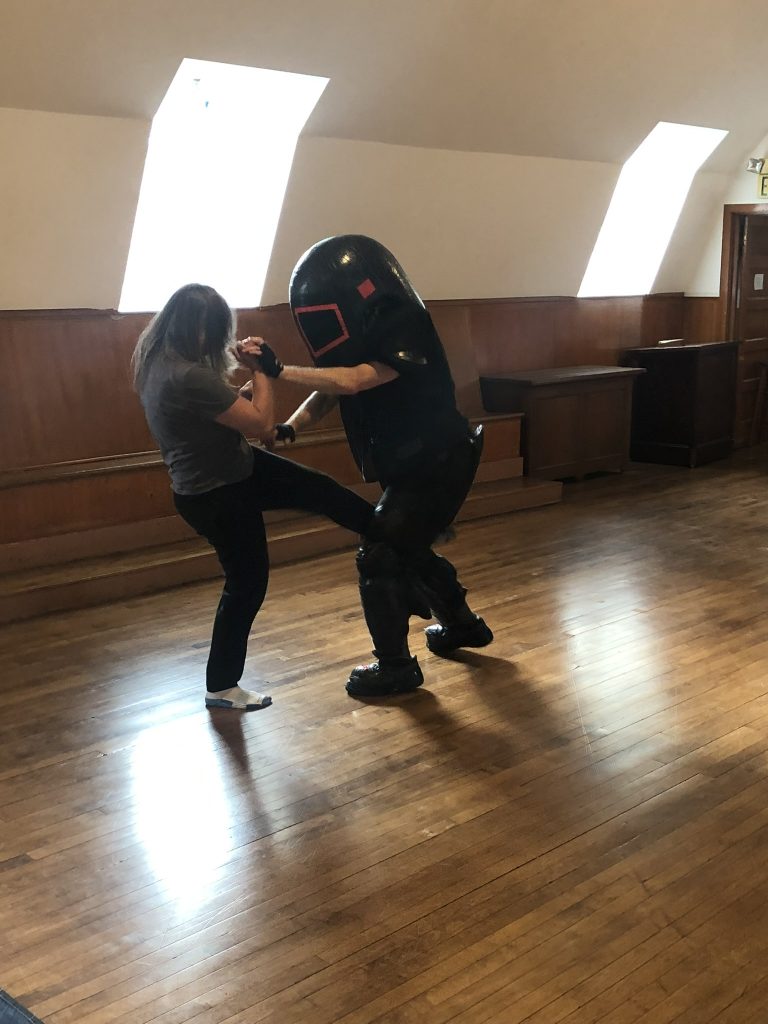
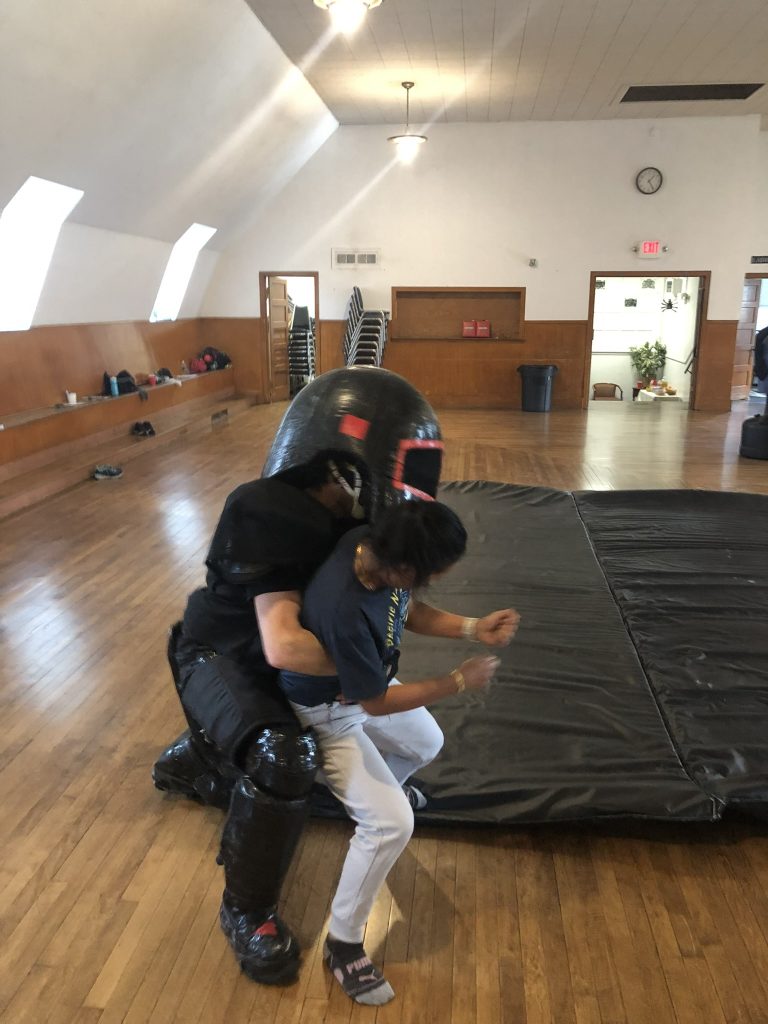
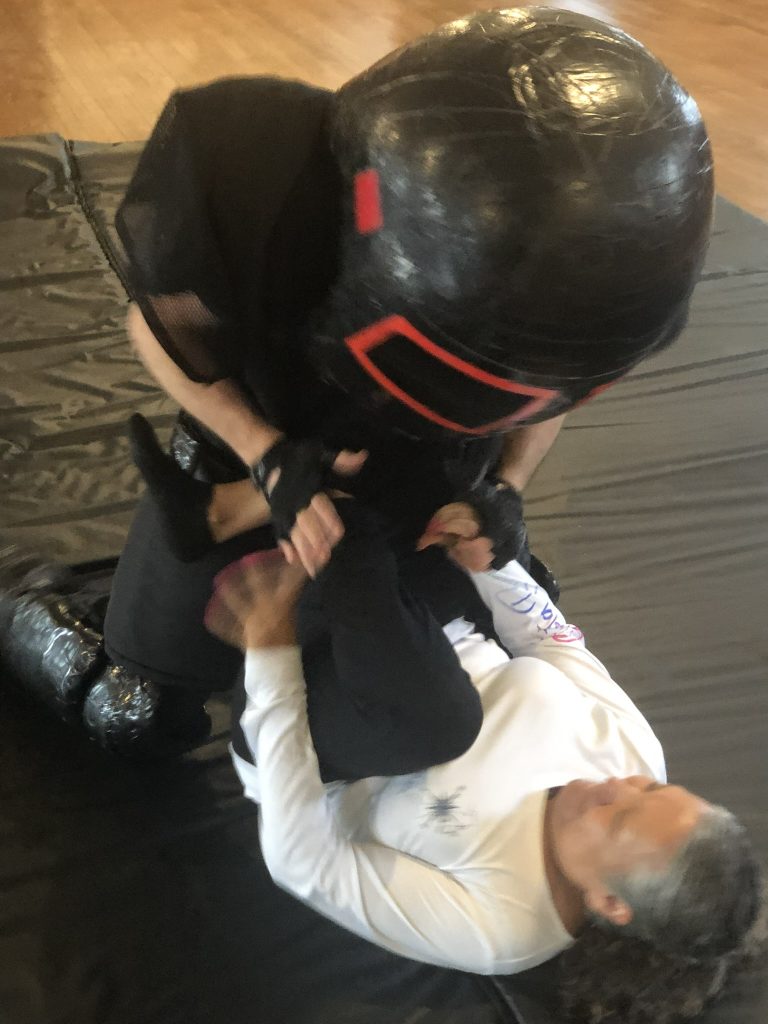
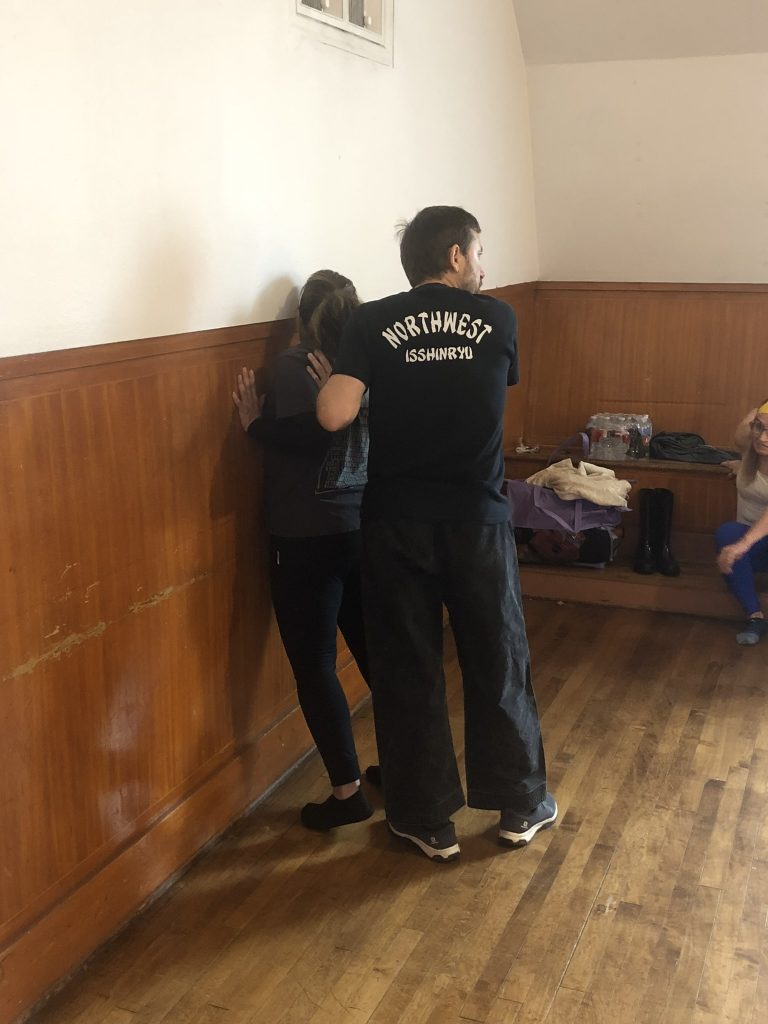
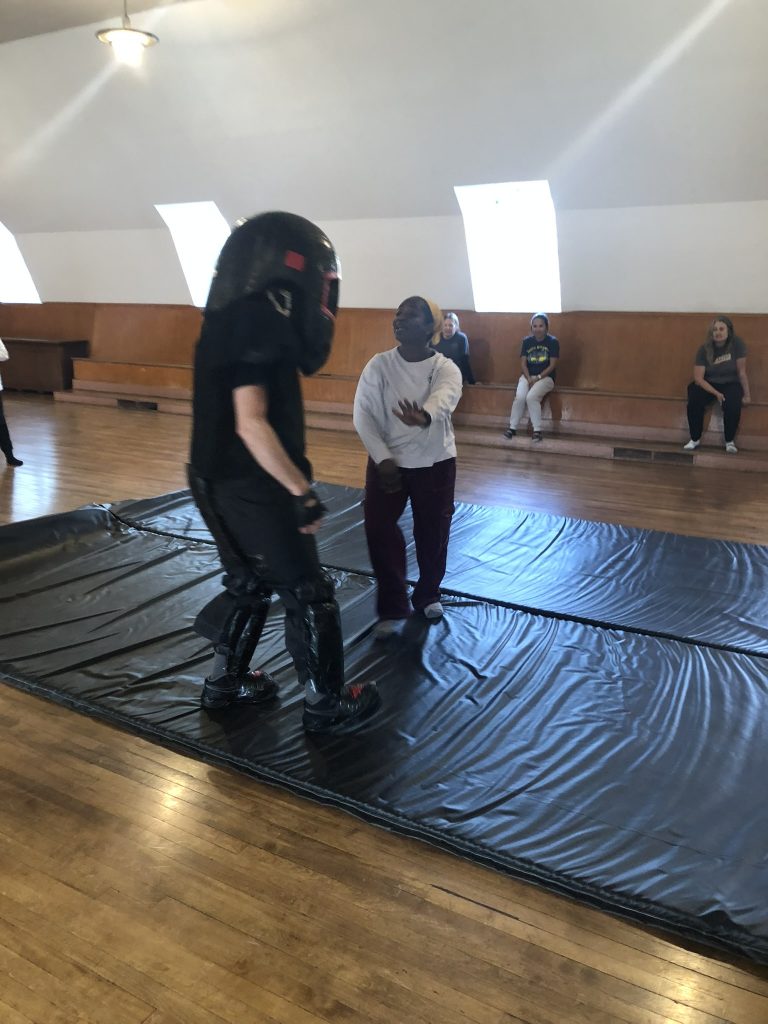
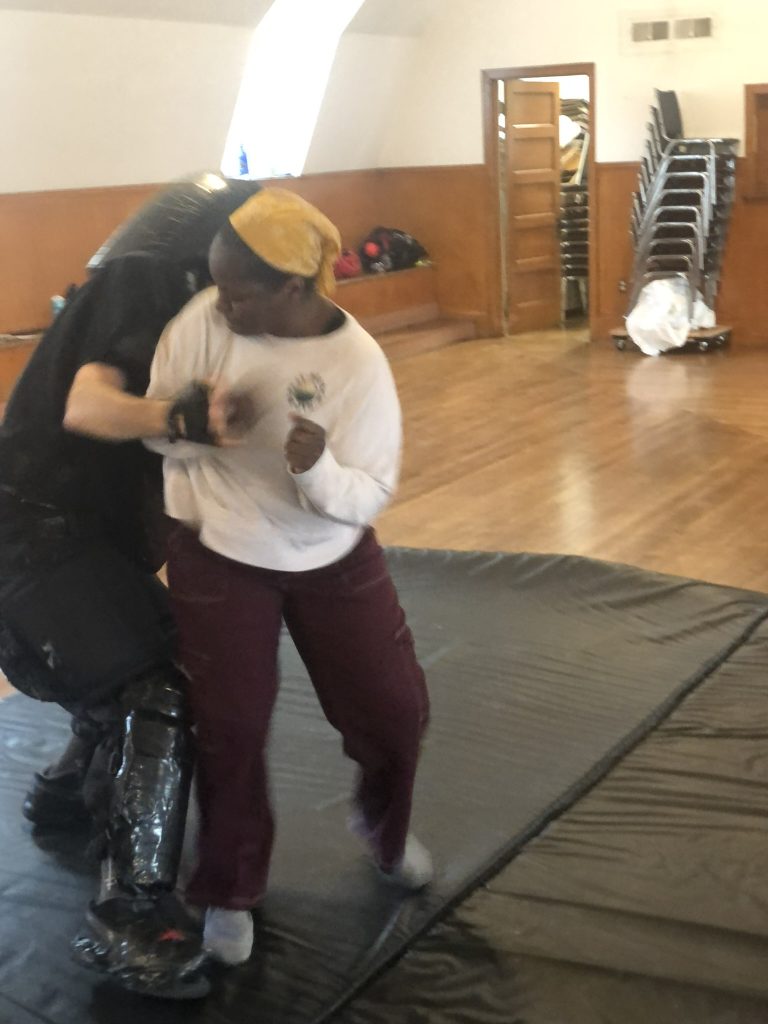
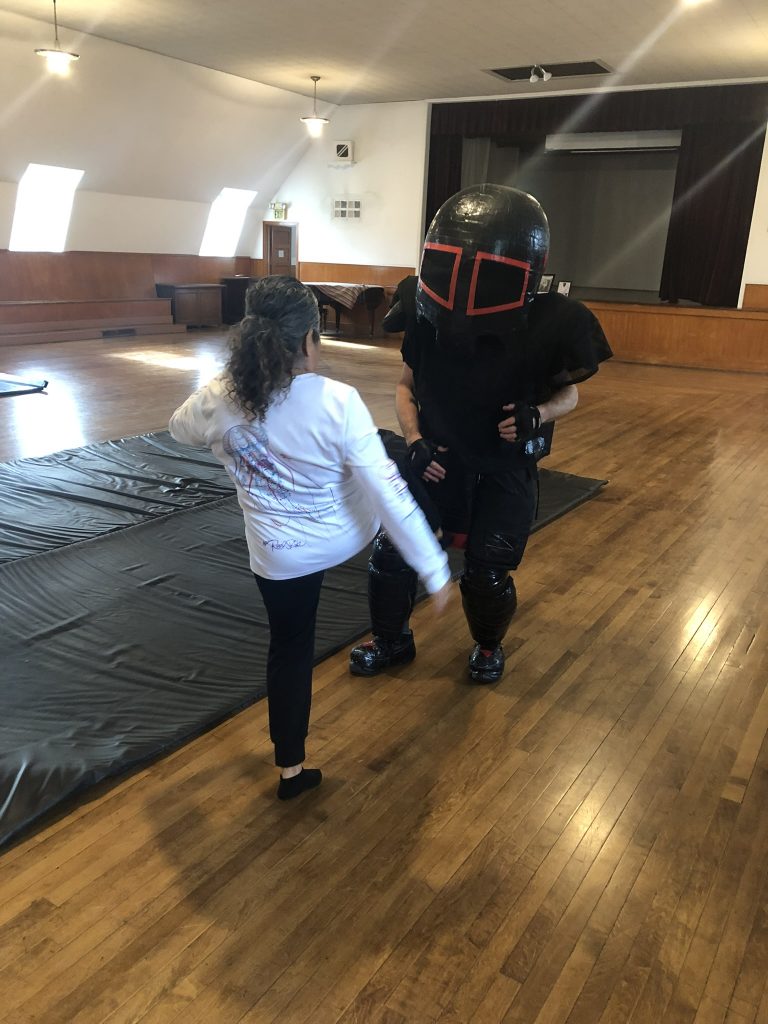
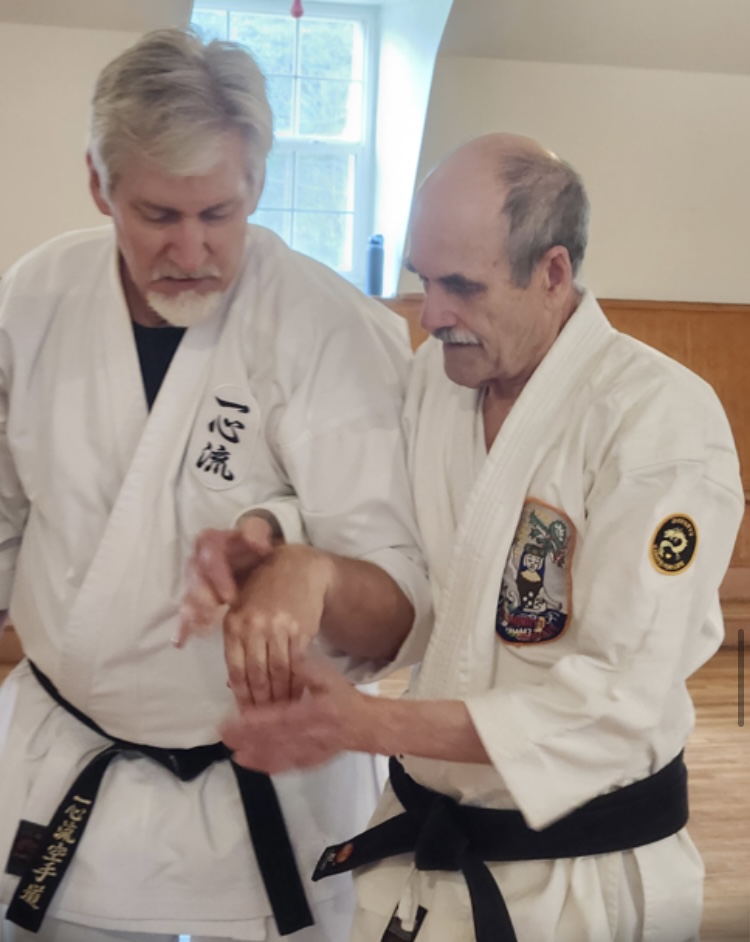
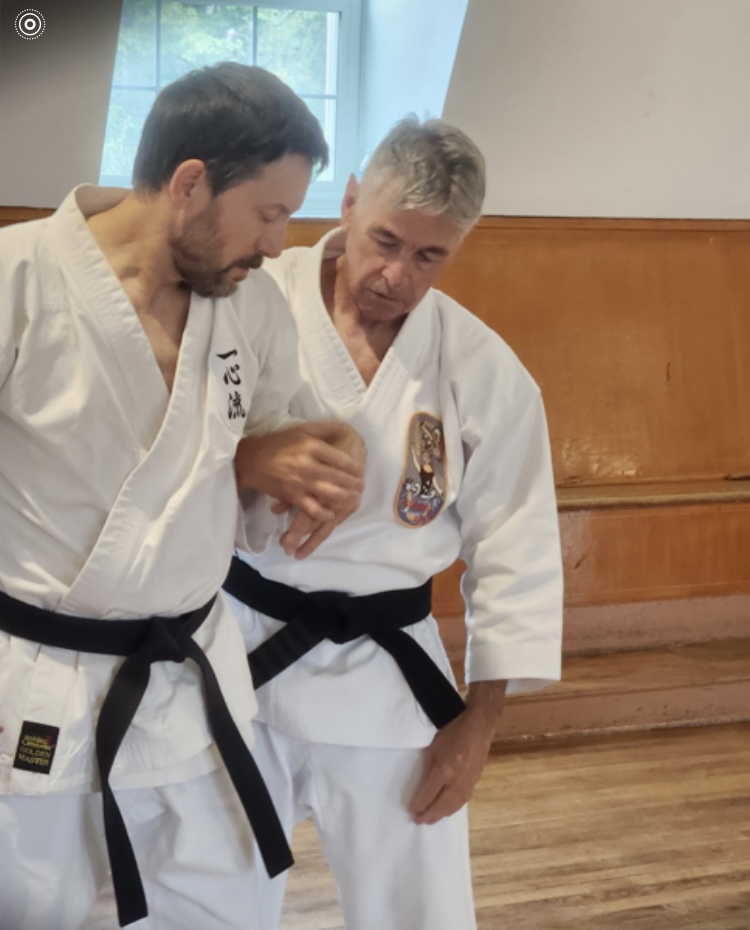
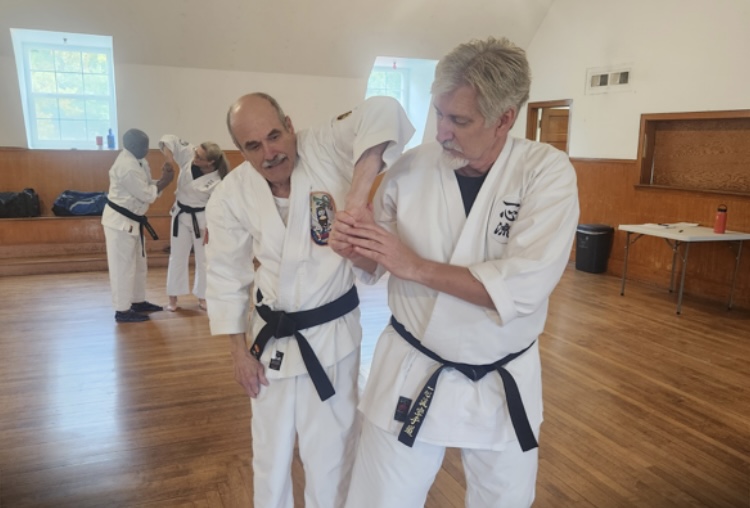
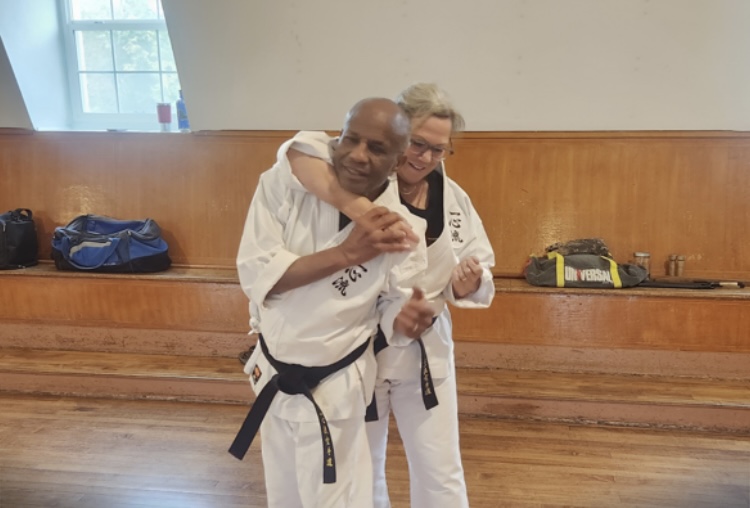
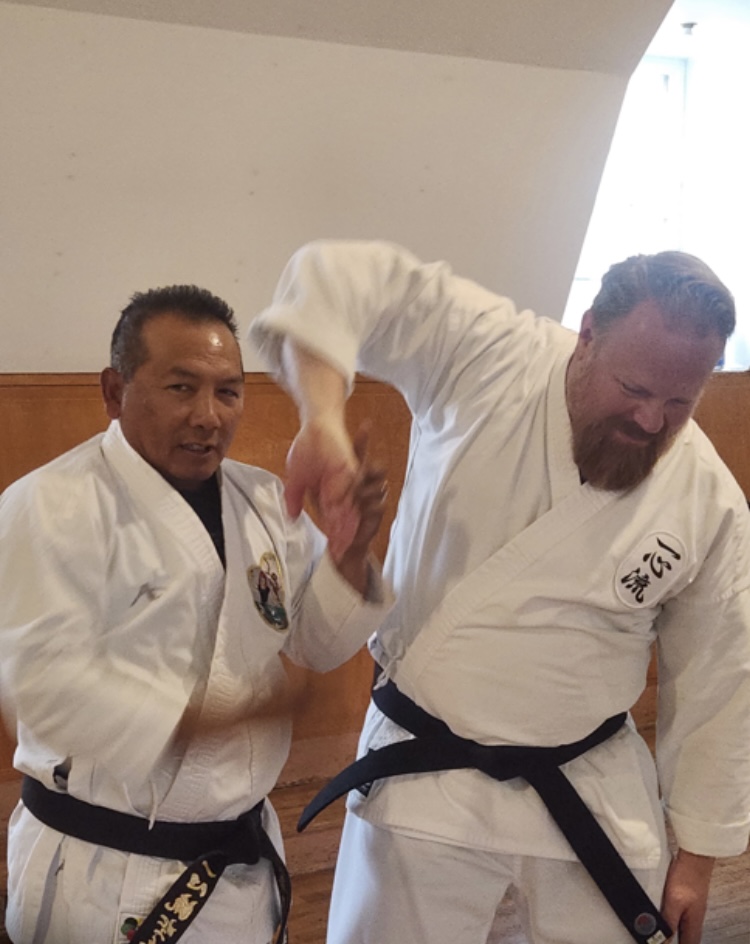
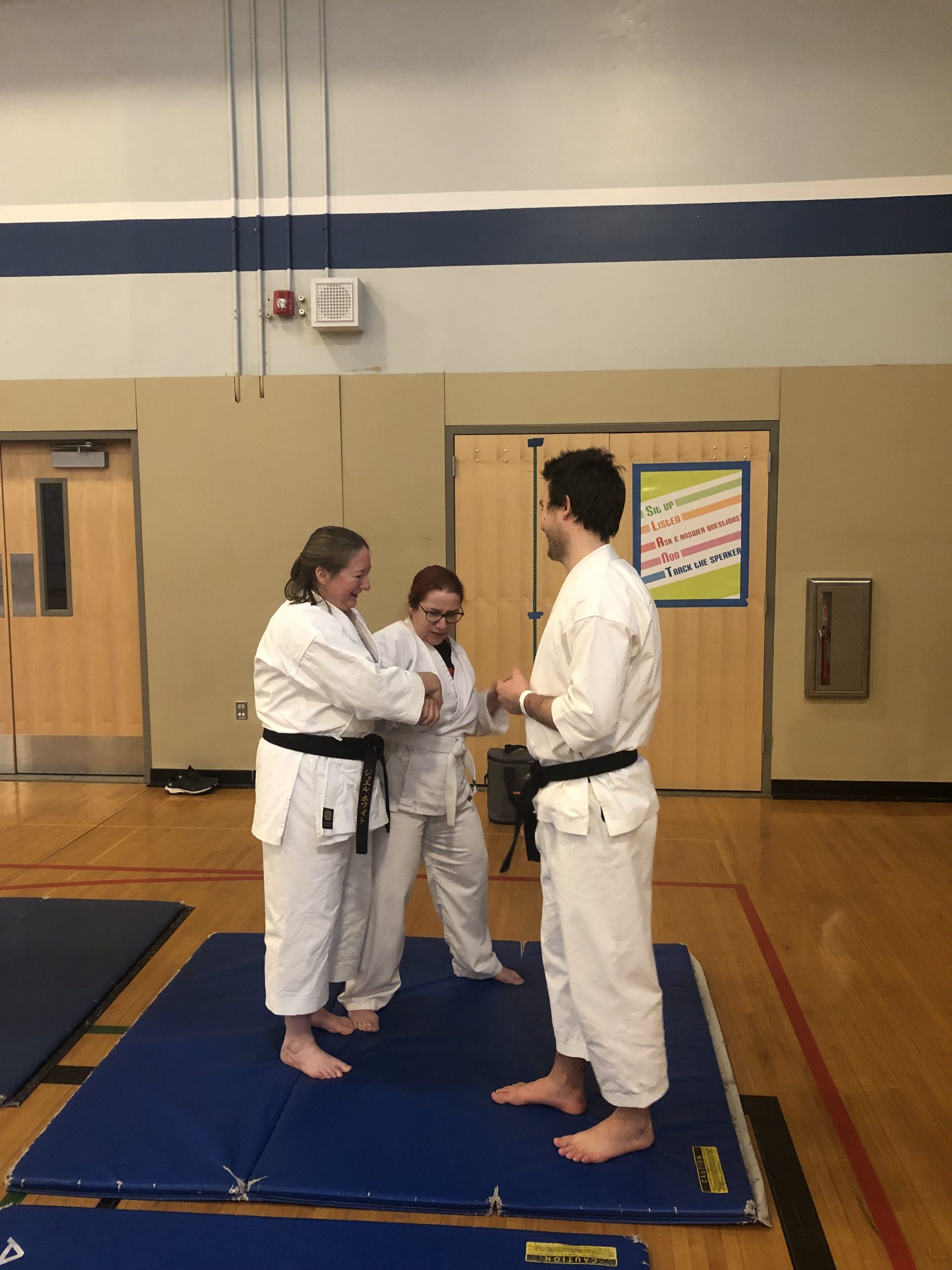
We are a non-profit organization of traditional martial arts that focuses primarily on Isshinryu Karate and Te Jutsu; Te Jutsu being the self-defense applications of Okinawan karate and Aikido combined, as developed by Northwest Isshinryu.

Members of Northwest Isshinryu had been longtime members of the Washington Isshinryu Society, founded and led by Sensei George Shin. When Covid hit in 2020 and Sensei Shin was experiencing unrelated health issues, it was decided by him and his students that the organization be dissolved. The legacy continues in three different schools in Washington state; Northwest Isshinryu is one of these schools.
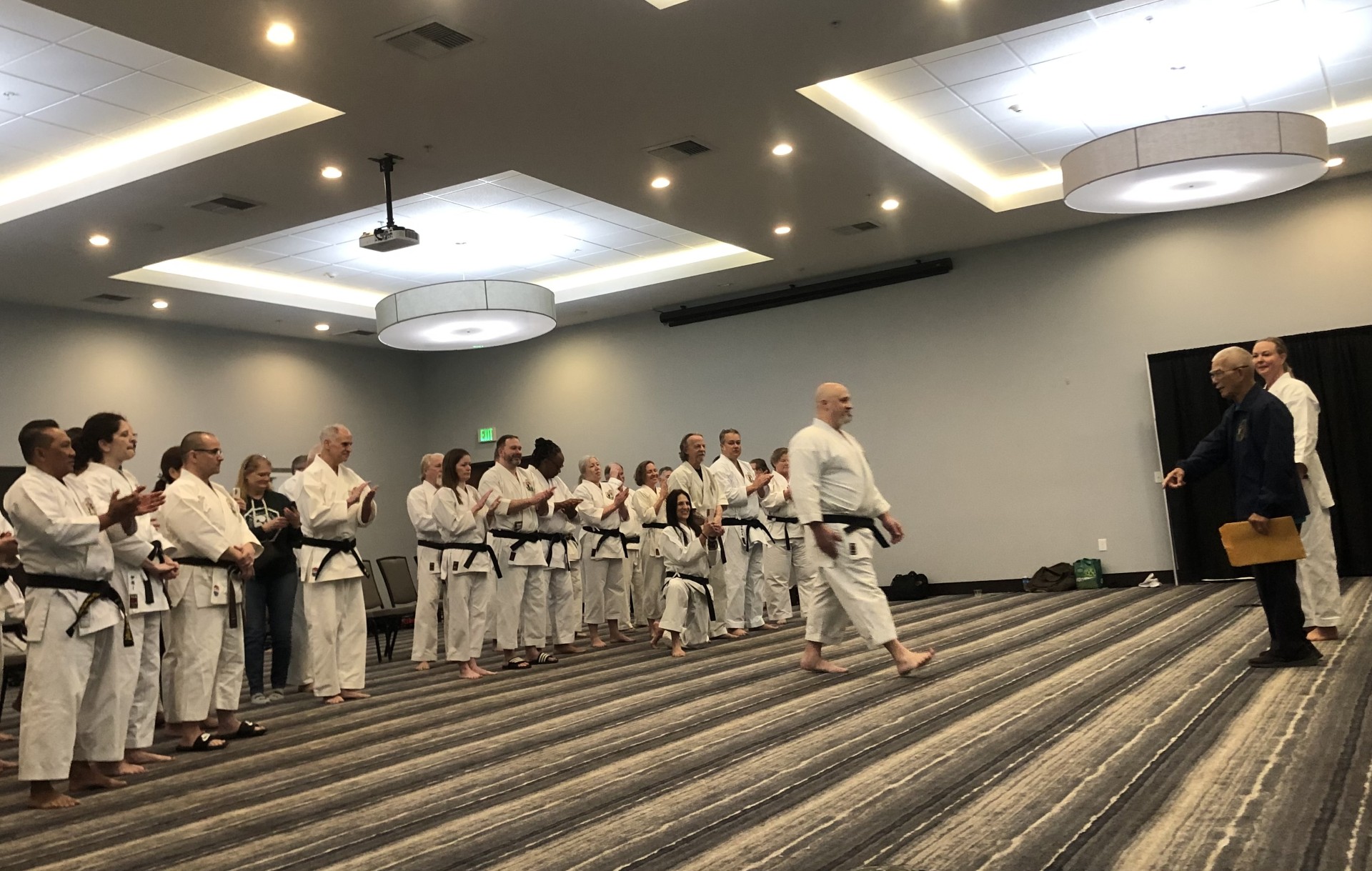
Isshinryu and TeJutsu Seminar

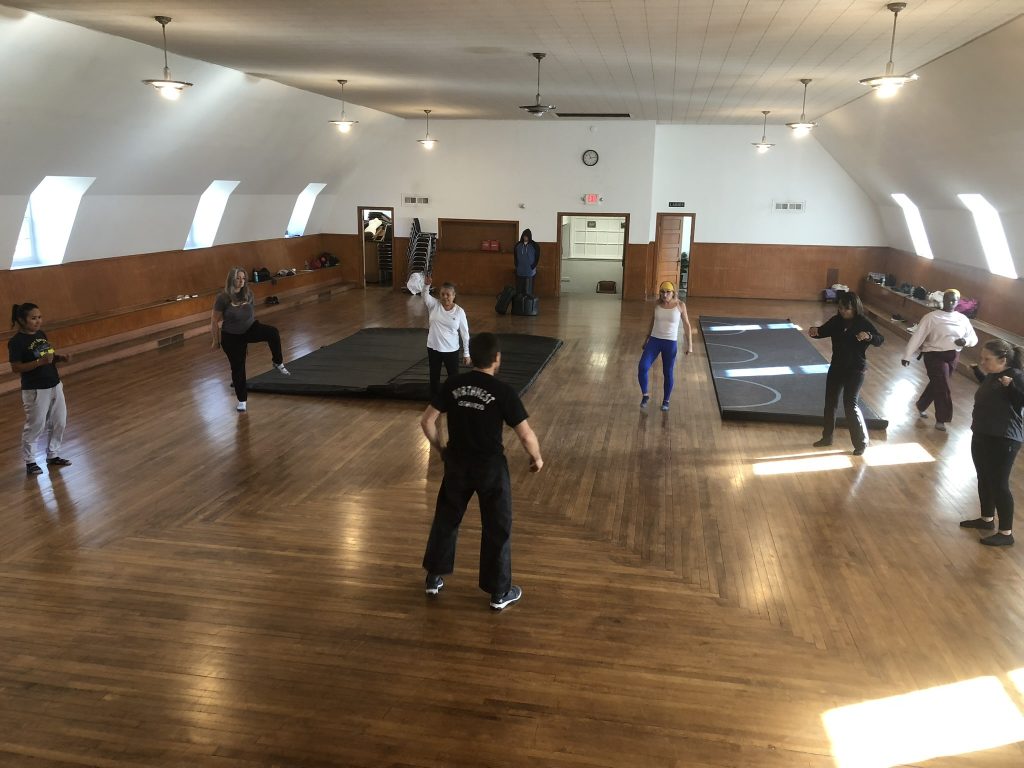
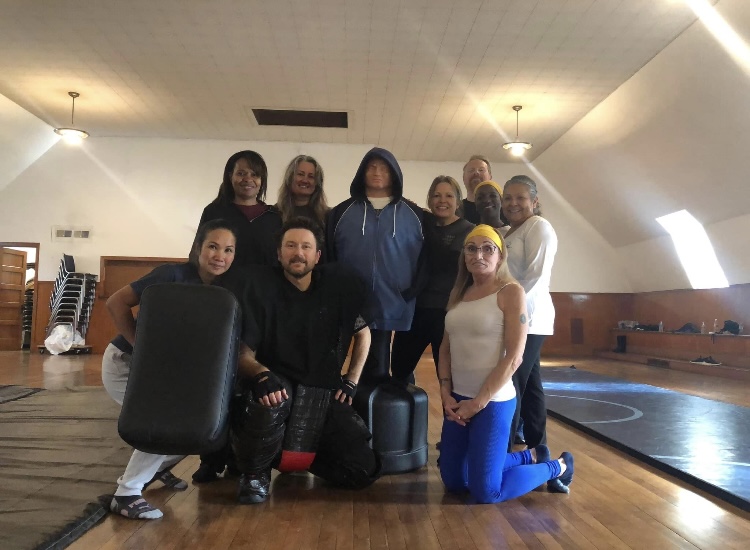
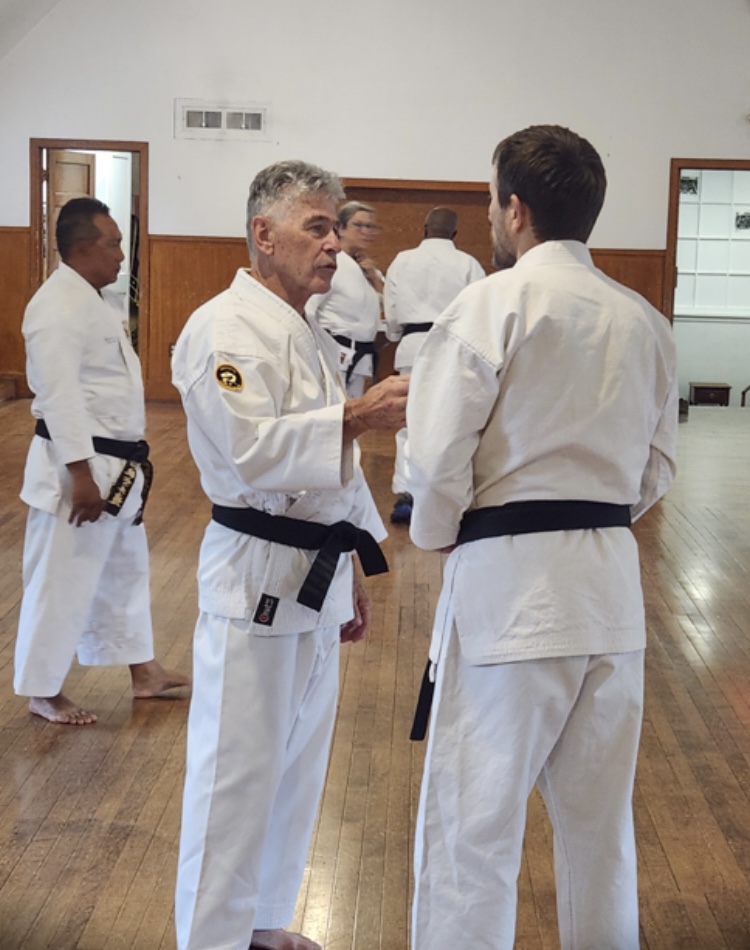
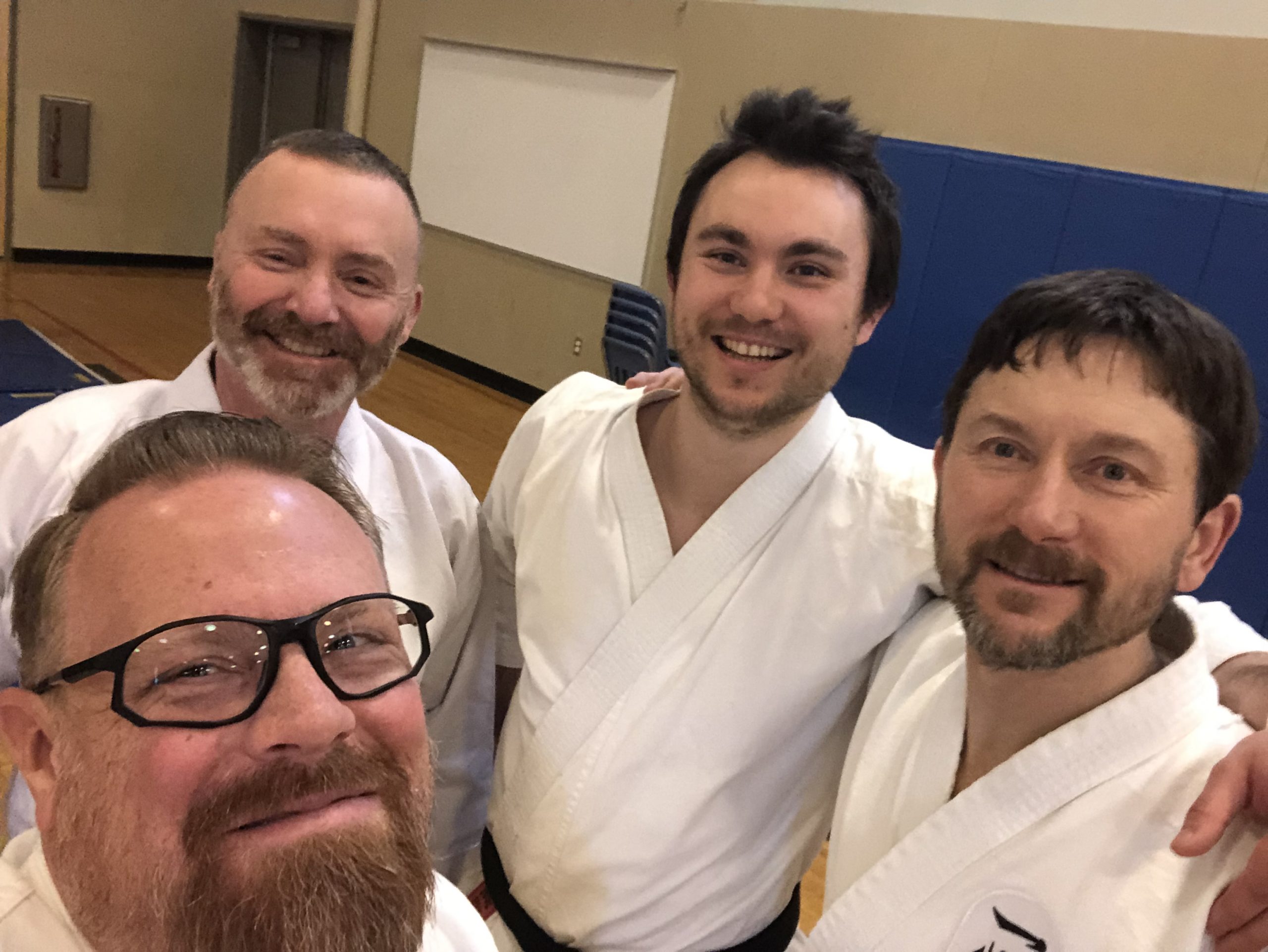
On October 4, 2025 we held a seminar at our dojo in Puyallup that featured several instructors who presented a variety of skills and knowledge. Attendance was good and we had a great time sharing ideas and techniques.

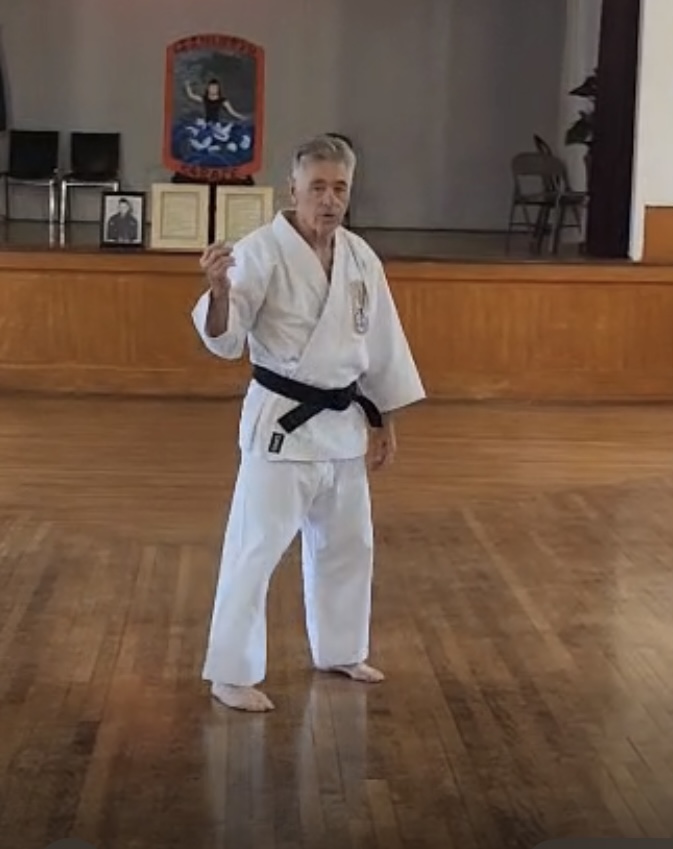
Sensei Don Washabaugh opened the event with ideas related to Isshinryu weapons kata techniques and how they compare and are similar to empty-hand techniques, as well as key (and ki) principles of chinkuchi in our practice.

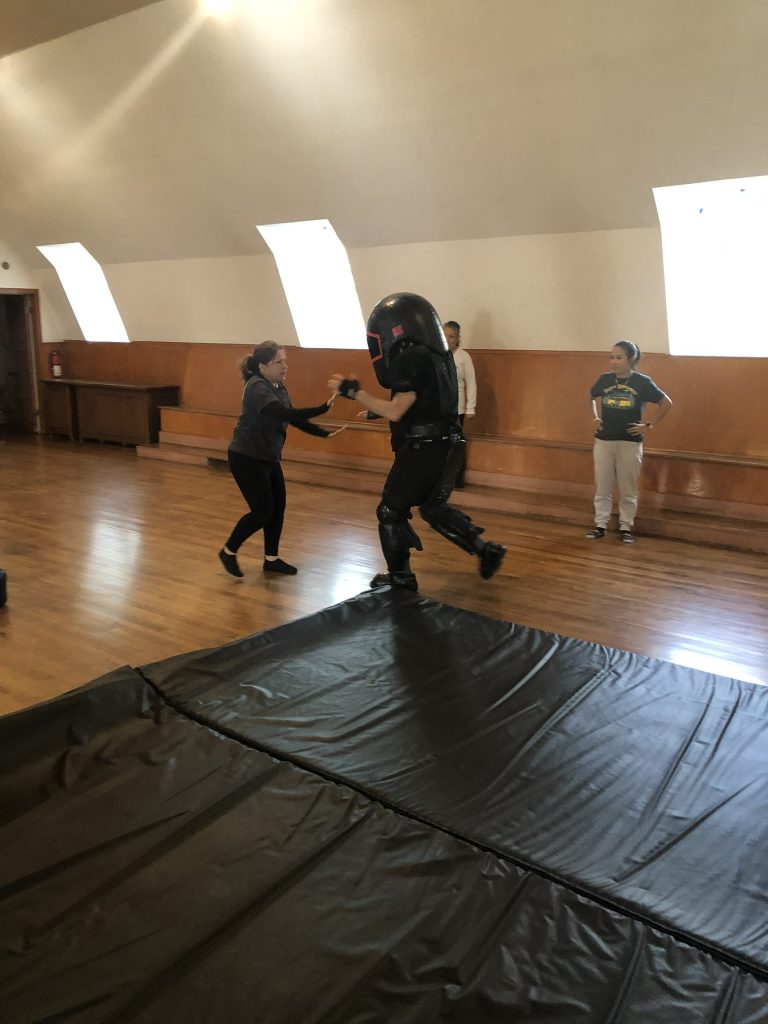
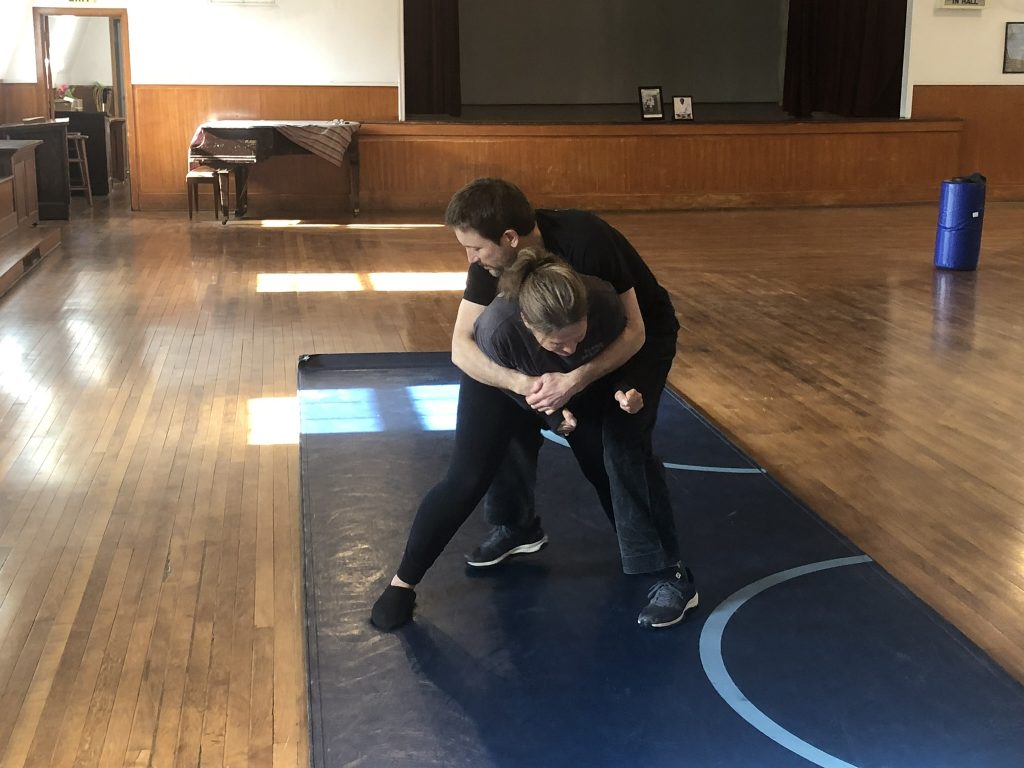
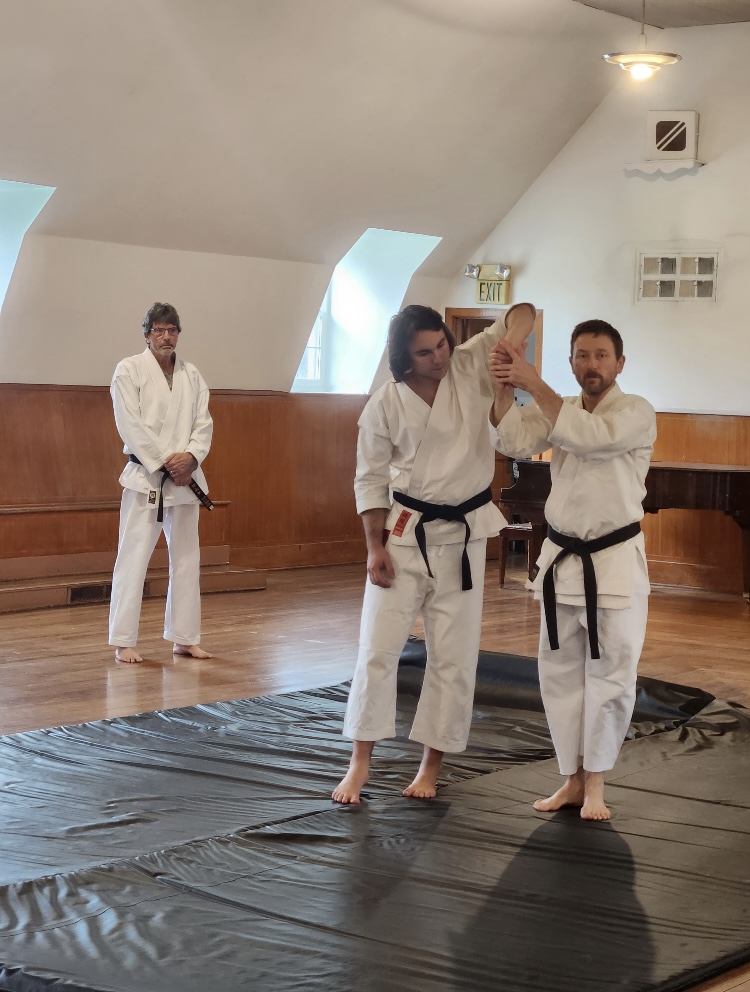
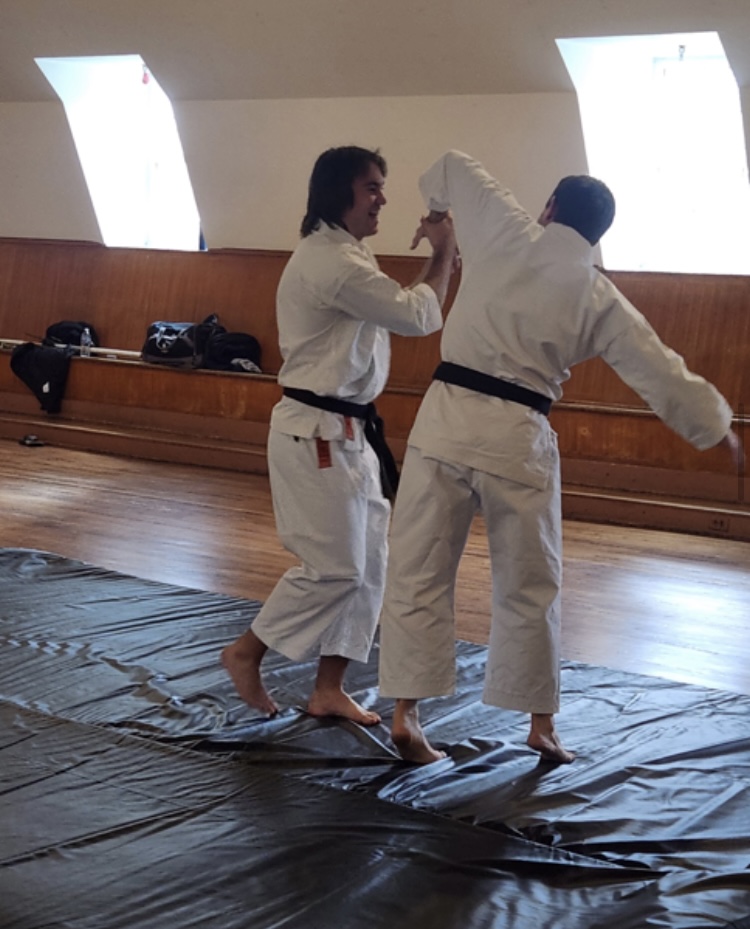
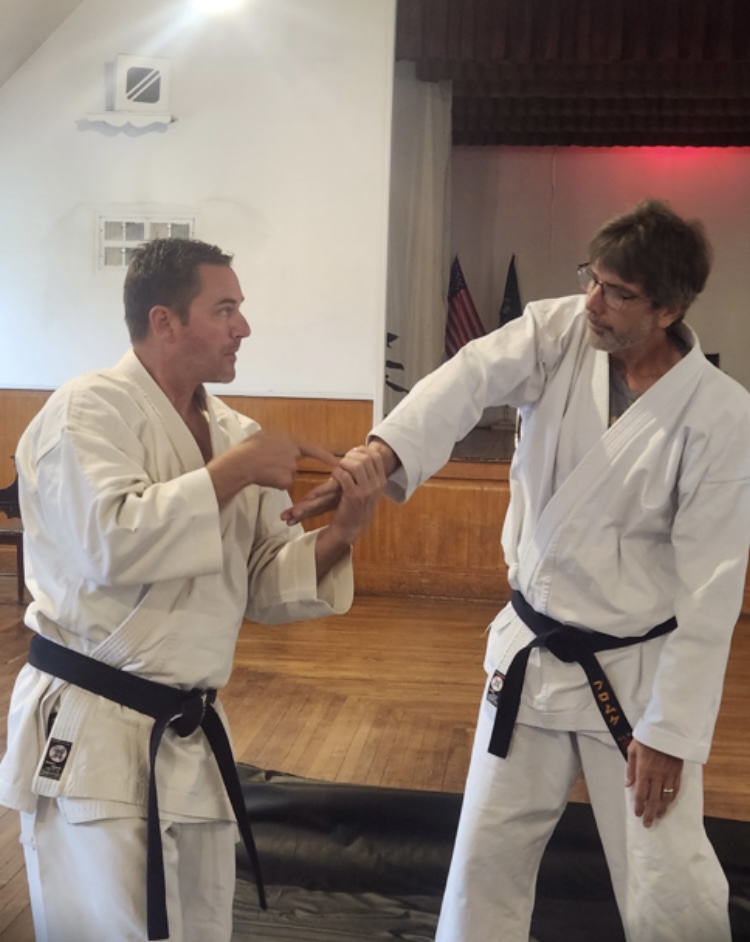
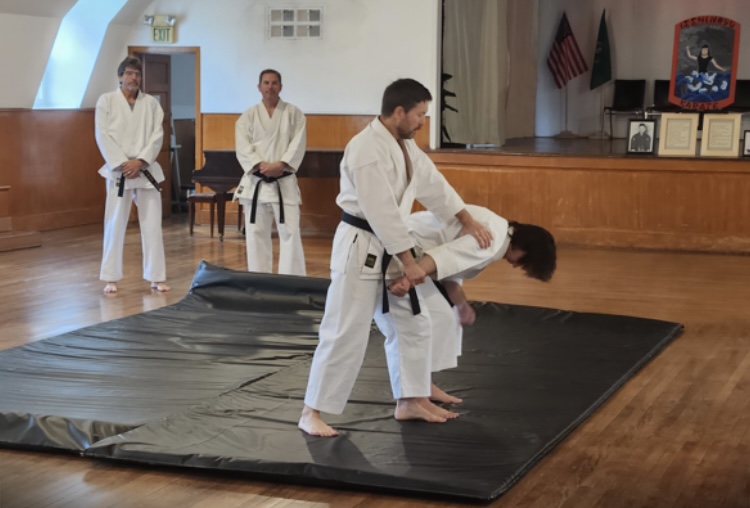
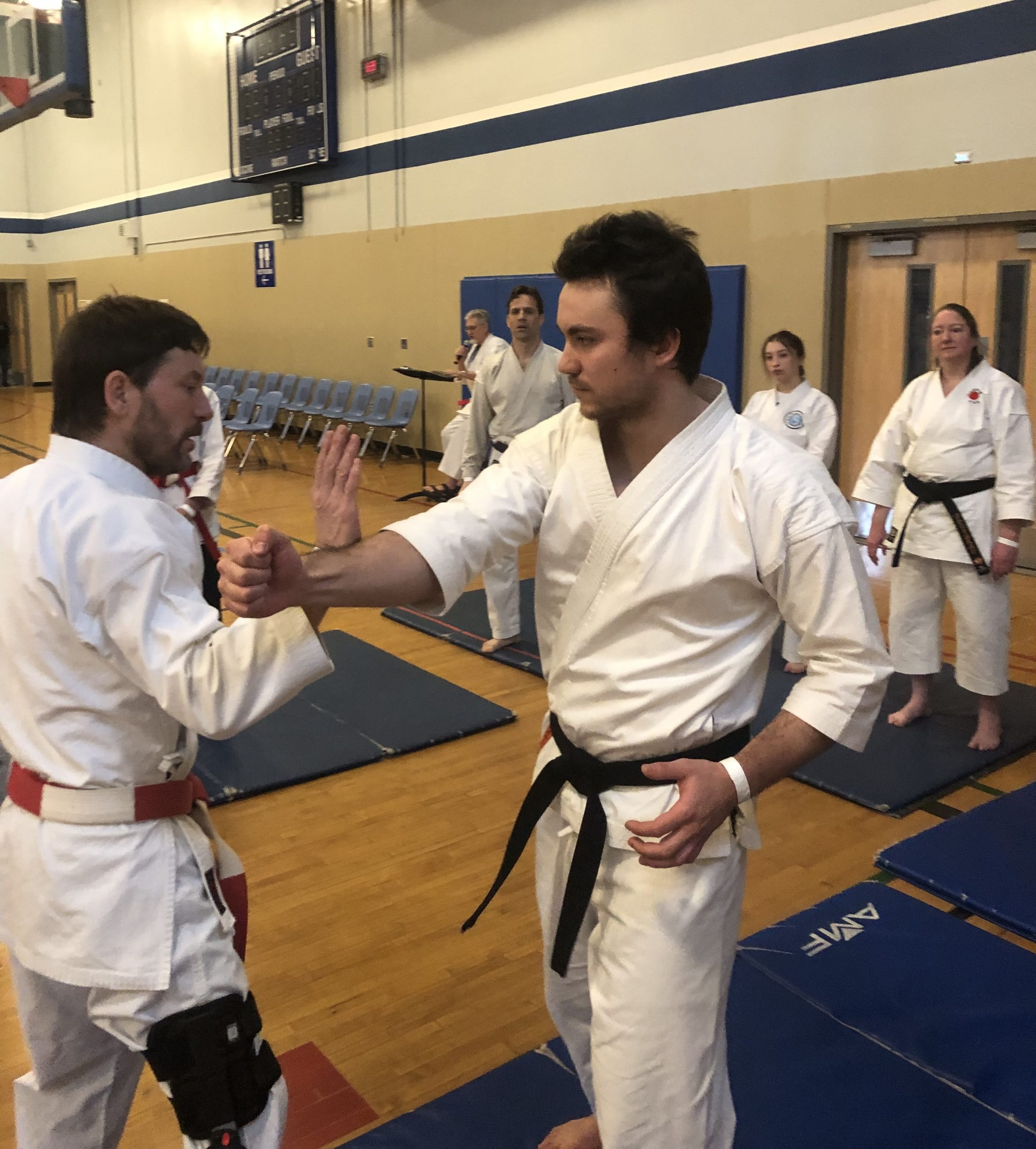
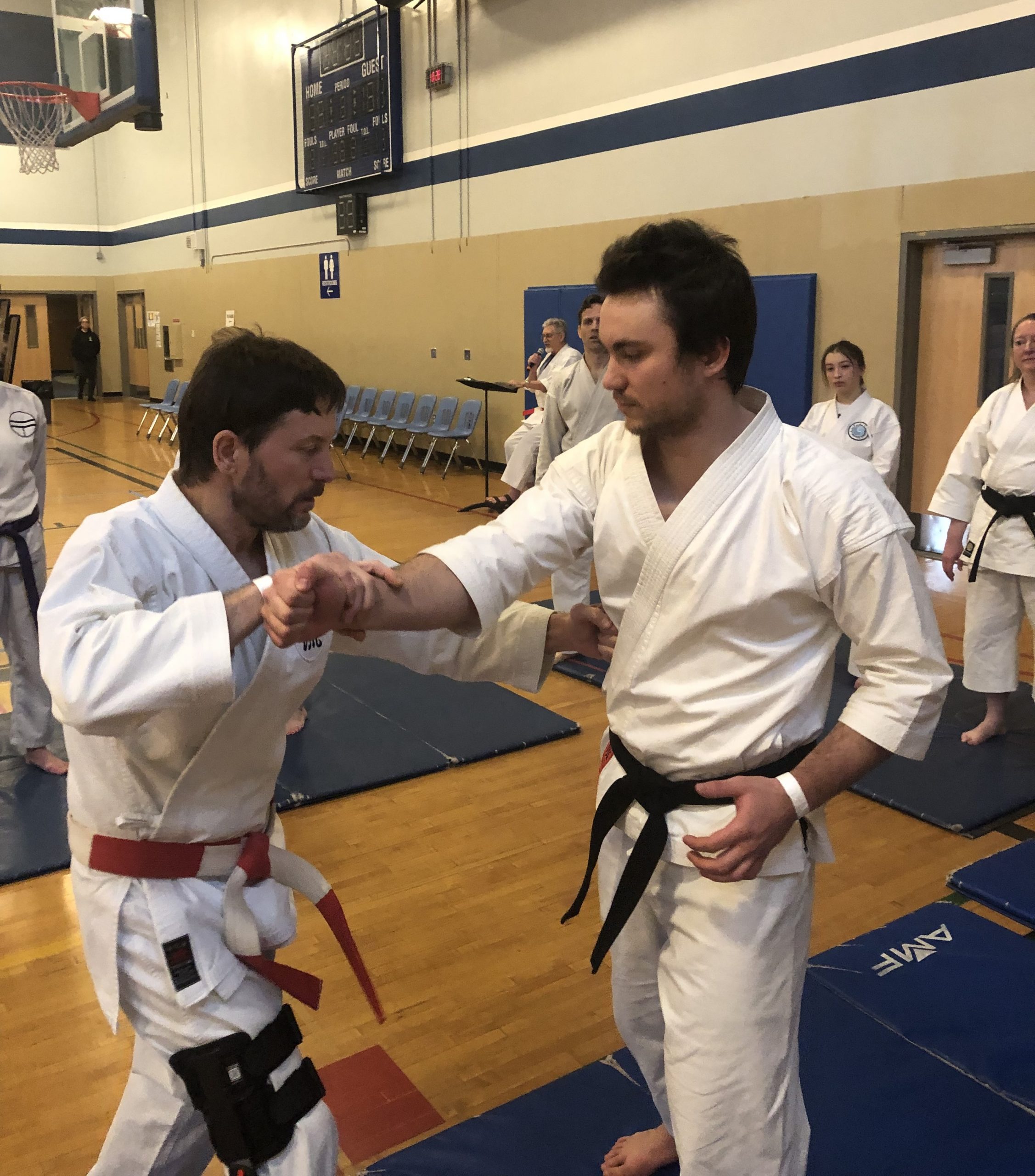
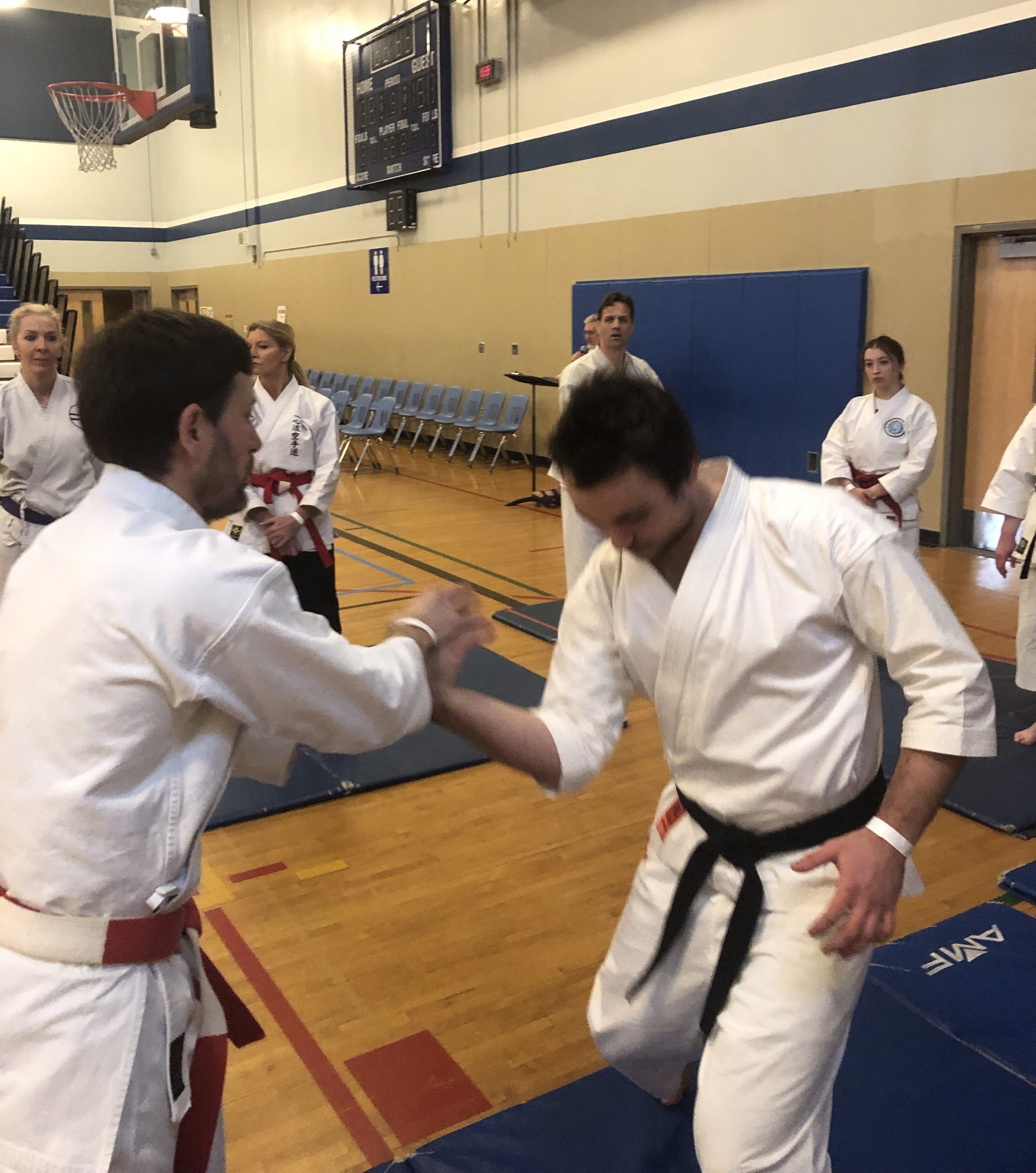
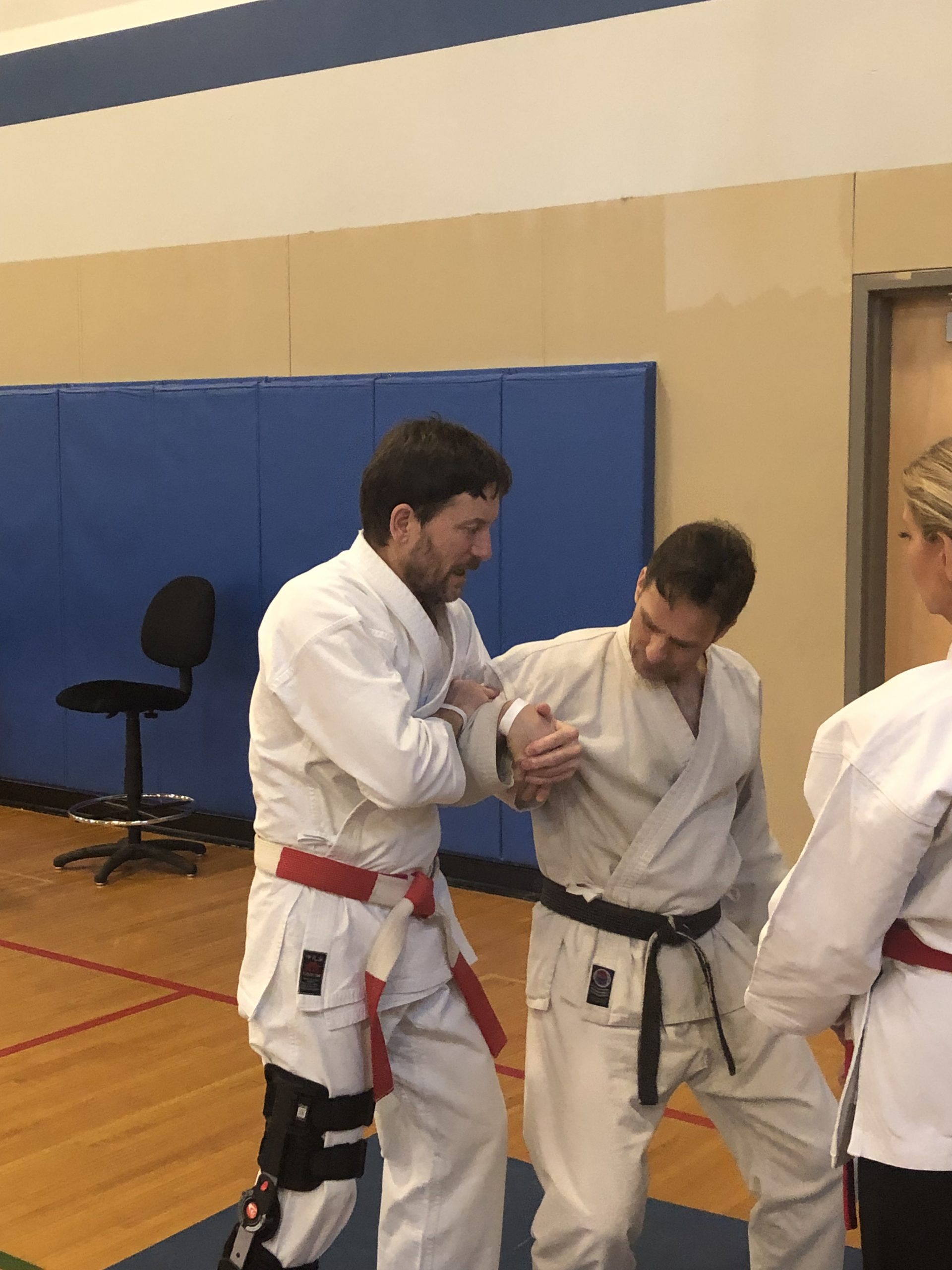
Sensei Dale Heidal presented his brand of self-defense, called TeJutsu, which combines karate and Aikijutsu techniques; the goals being to defend oneself adequately with minimal injury to the attacker.

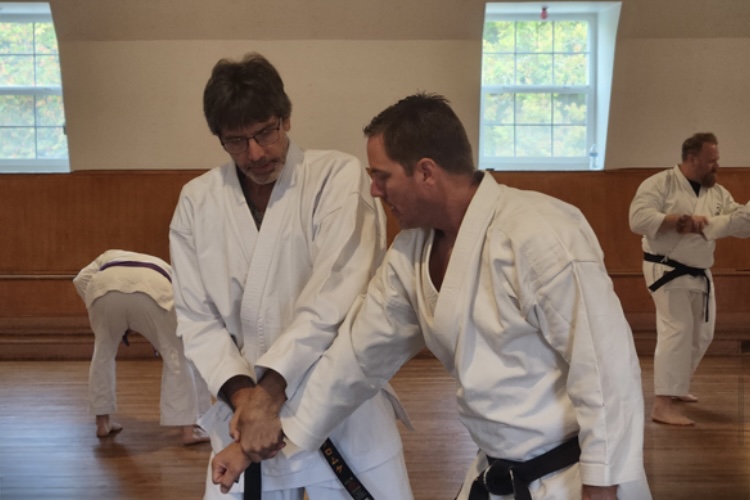
Sensei Kraig Mott shared bunkai from Seiunchin kata that was different from most of the bunkai usually applied in this kata, which we all found very interesting and effective.

Sensei Mike Osborn, who has been a school teacher for 40+ years, shared valuable teaching strategies and sought feedback and ideas from the group of long-time instructors about our ideas and methods.

Time was also made for anyone wishing to demonstrate a kata or routine that might be considered unique, yet relevant, to Isshinryu or other Okinawan martial arts. Sensei Samuel Danh shared a form created by Shihan A.J. Advincula; Yudansha Apollo Heidal performed a nunchaku kata based on Chinto kata, as created by Sensei Pat Williamson (Mr. Armstrong’s student) in the early 1970’s; Sensei Heidal performed Shimabuku no Kama, created by Soke Eizo Shimabuku and taught to Heidal by Kyoshi Jerry Gould.

A splendid day was had by all. Many thanks to all who attended and brought great skills and energy to the event.

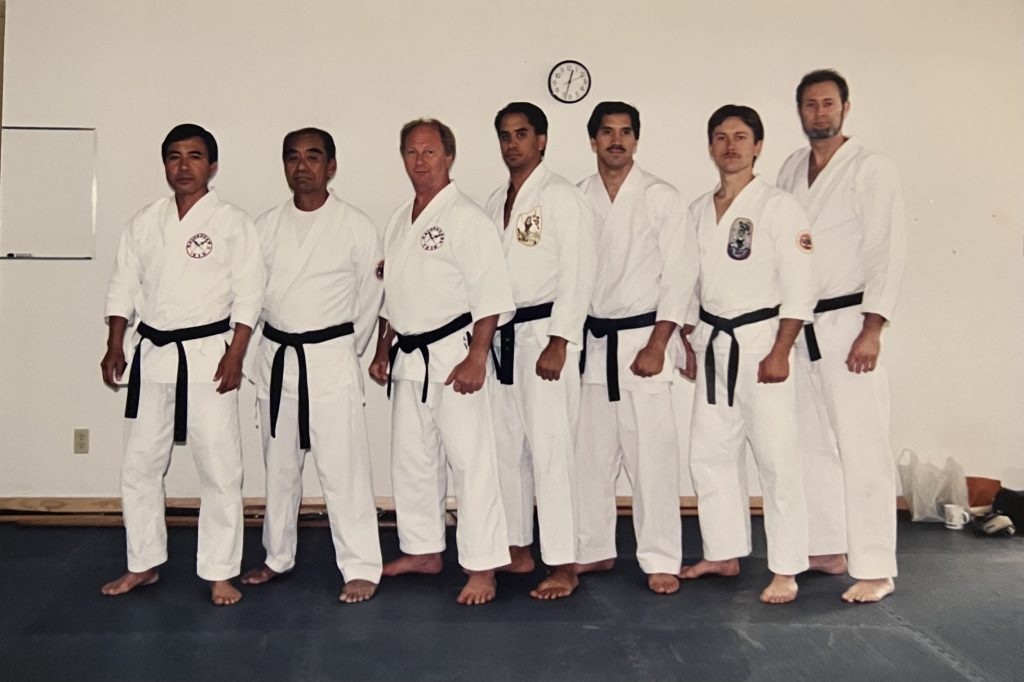
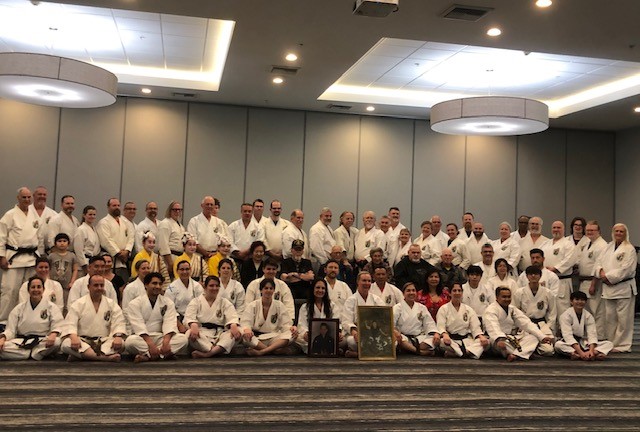
Kobudo Training with Tamayose Sensei, founder of Ryukyu Kobudo Tesshinkan

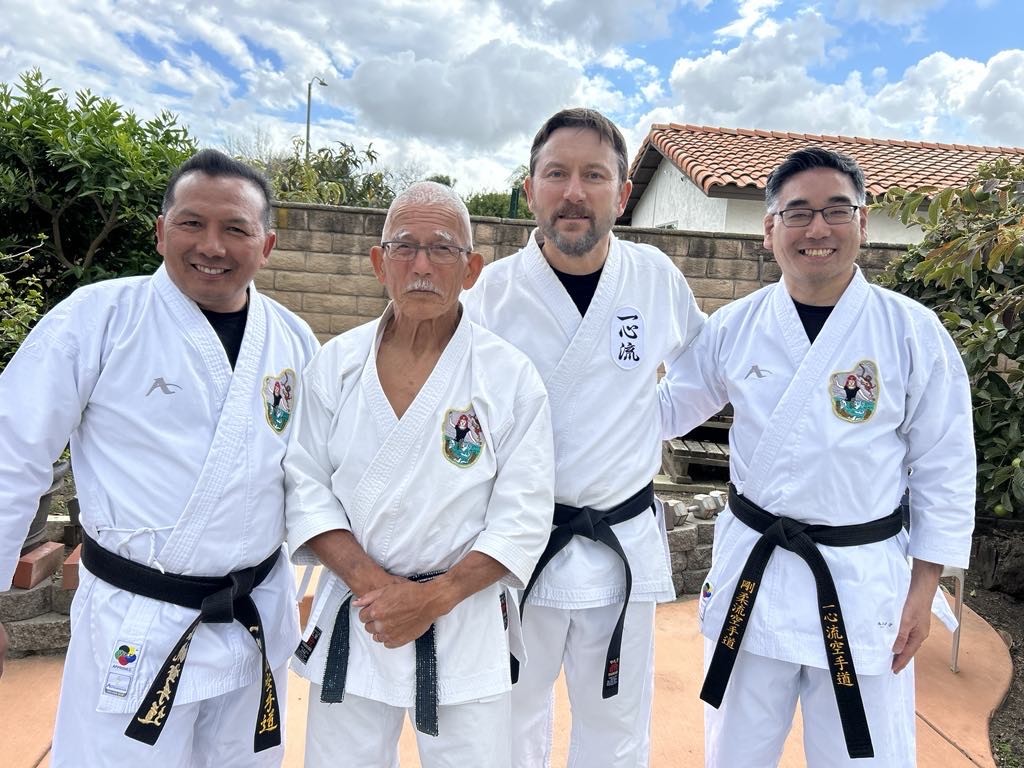
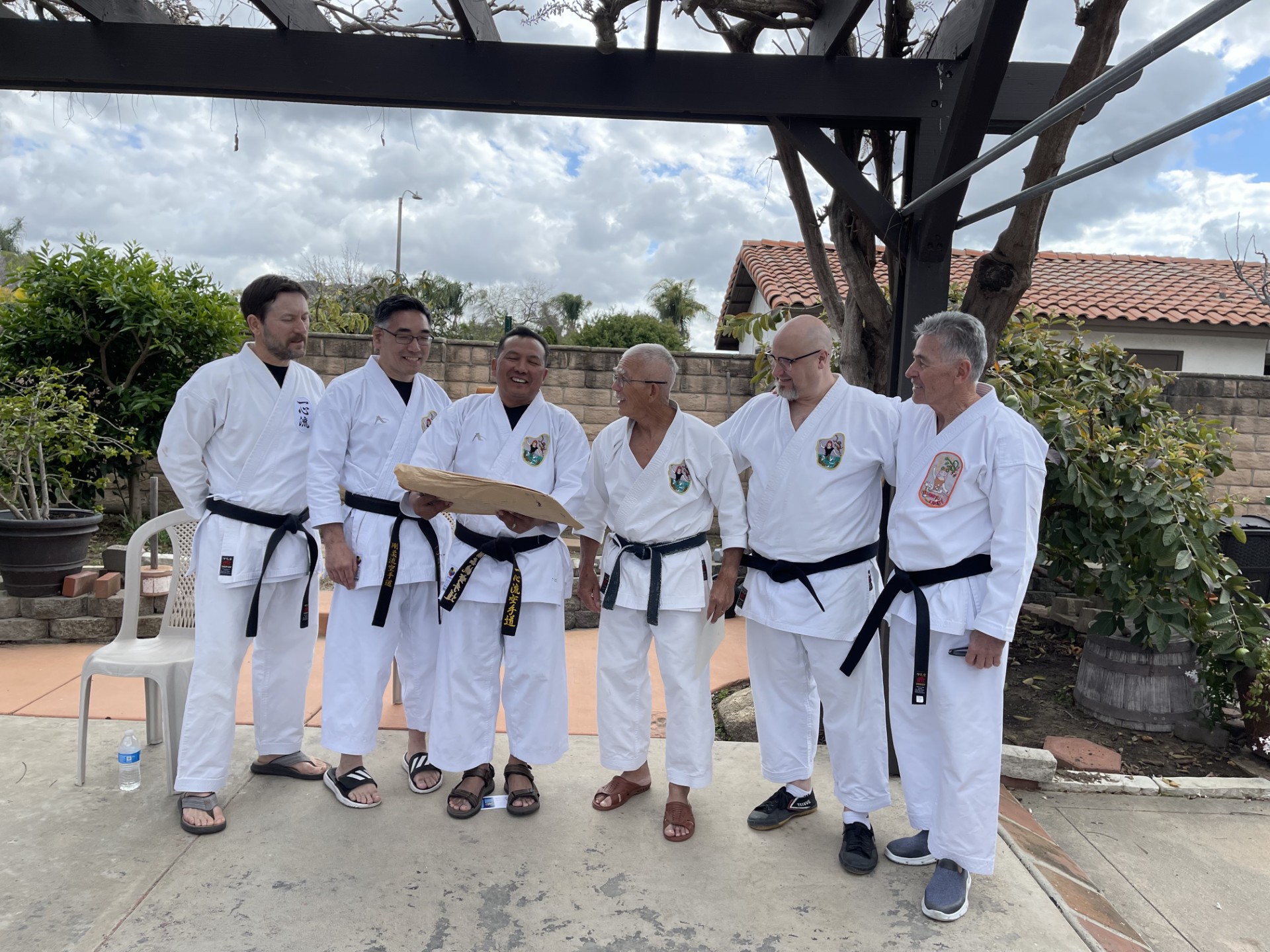
This training took place about twenty-five years ago at Sensei George Shin’s dojo in Auburn, WA. Present were (listed per the line-up in the group photo) Tamayose Sensei, Shin Sensei, Don Shapland Sensei, Jim Shin, Robert Shin, Dale Heidal, Ted Baker.

The training focused on the details of strikes, blocks, and stances with the bo, according to Ryukyu Kobudo. We also learned the bo kata Shushi no kon. The seminar was excellent and it was an honor and a privilege to train with Tamayose Sensei.

Te Jutsu mini seminar

Our Northwest Isshinryu group conducted another Te Jutsu training session at Sensei Mike Osborn’s annual Steve Armstrong Memorial Tournament in Bonney Lake, WA in mid-February 2025. It went well and the participants seemed to enjoy learning our self-defense system that combines karate and Aikido; the emphasis being to control an attacker without causing serious injury.

Health and Fitness in the Martial Arts

When one has not practiced or researched traditional martial arts, the first thing that often comes to mind when discussing the arts is a system of combat that includes fancy flying side kicks and lethal techniques that can be used for self-defense and competition.  While it’s true that many traditional styles of martial arts, and eclectic systems such as MMA, include these types of techniques, perhaps the most overlooked elements of great benefit are those of health and fitness.

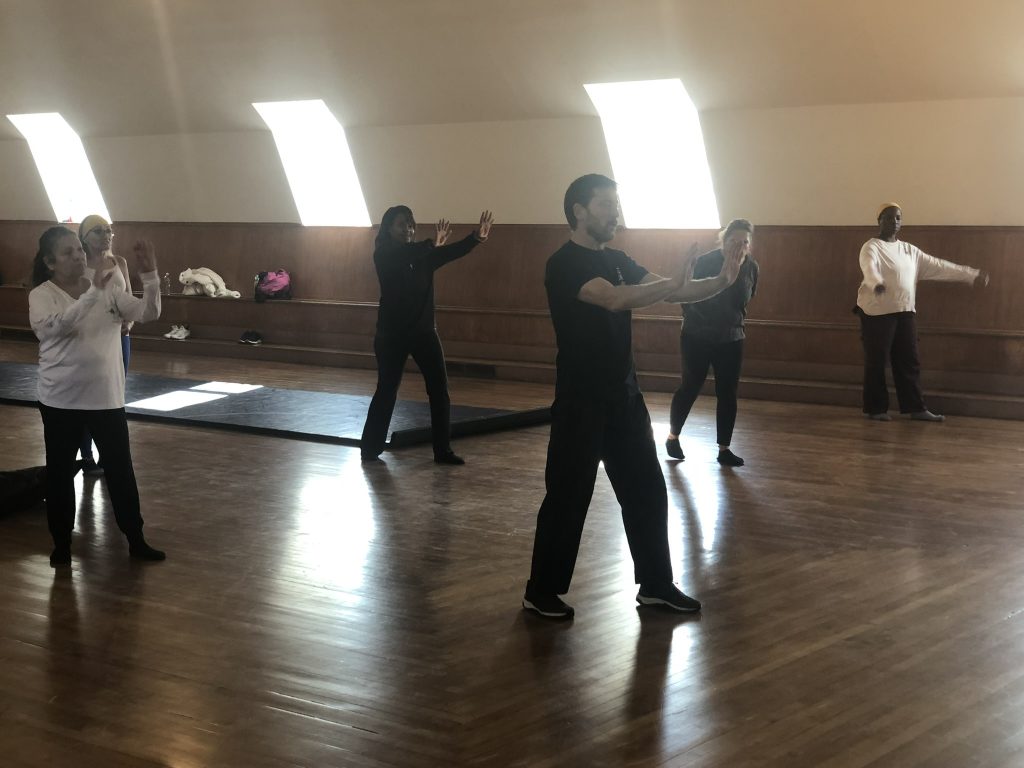
It is safe to say that all systems of martial arts provide movements that offer physical benefits such as strength, flexibility, cardio-pulmonary health, and more.  Some arts, of course, will demand more physical strength, while others will require more flexibility, or balance, or speed for competition.  In any case, a person’s physical well-being will improve over time.  Although almost any style will provide a variety of fitness benefits, it’s fair to say (admittedly, with a bit of stereotyping) that different styles will generally focus on different things.  For example, many Korean styles have high, powerful kicks; many Tai Chi styles focus on slow, deliberate movements that instill strength and balance; many Japanese and Okinawan styles work toward a balance of the whole body being able to deliver strong, fast techniques; Aikido, Judo, and Brazilian jiu jitsu involve a lot of rolling, falling, arm bars and locks.

Regardless of the style, all forms involve movement of the entire body in different ways, and often require moving different parts of the body simultaneously.  One example is when one delivers a punch and kick at the same time, or two blocks, or two kicks (by someone with great physical ability).  Rolling and falling is a good way to massage the body, including the internal organs.  All movements practiced in the martial arts offer great benefits to the muscles, bones, soft tissues, organs, circulatory system, and really, the entire body.  Additionally, much mental focus is required to practice and perform martial arts.  This type of physical and mental training is a reliable way to reduce stress and provide overall well-being.  Practice carefully to strengthen and restore the body.  Practice carefully to protect, not damage, the body.  Most importantly, practice often.